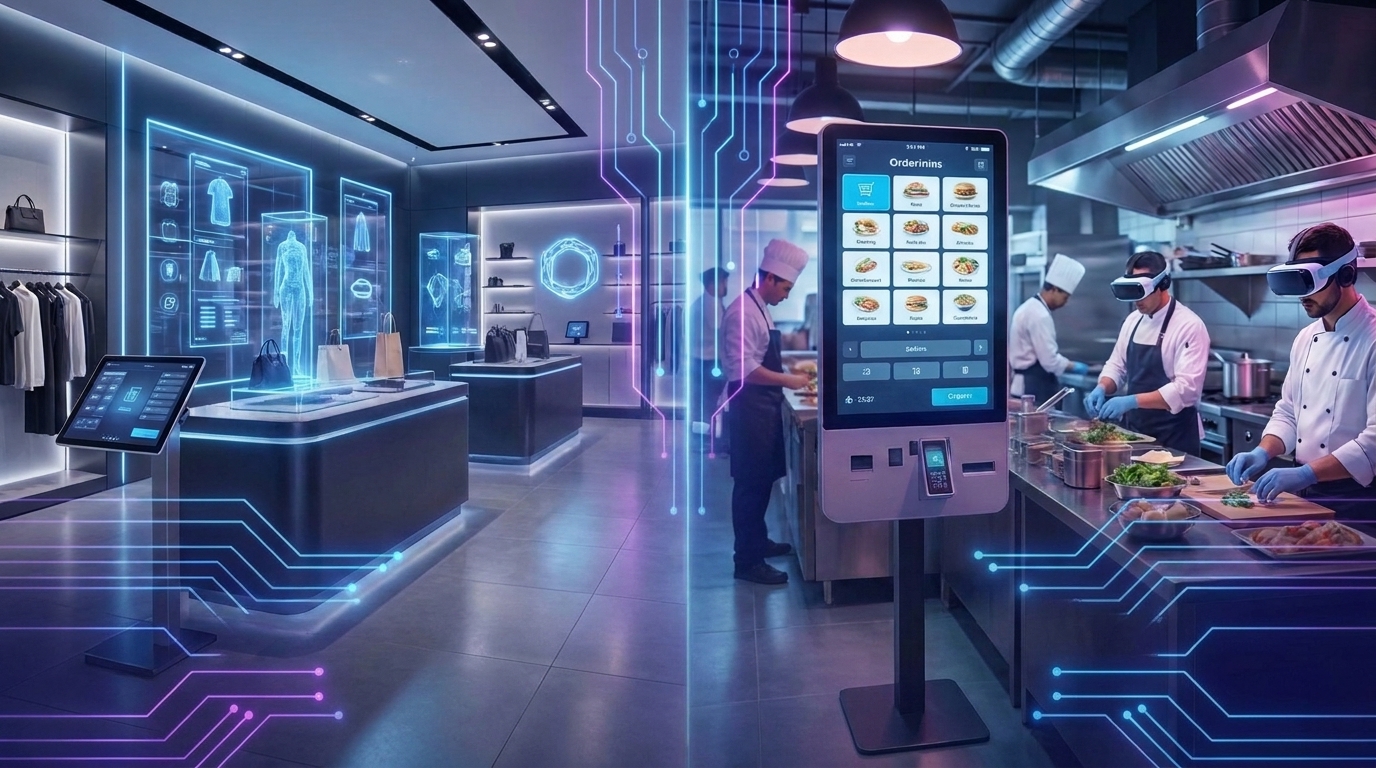
Point-of-Sale (POS) systems have evolved far beyond basic cash registers. In 2026, modern POS software serves as the central nervous system for retail stores, restaurants, supermarkets, and service providers.
While off-the-shelf POS software might seem convenient initially, growing businesses quickly run into rigid limitations, transaction fee markups, and unsupported workflows. This is why forward-thinking companies are turning to custom POS system development.
In this comprehensive guide, we will explore why custom POS software is critical in 2026, key architectural considerations, essential features, and how tailored retail technology maximizes operational profitability.
What is a Custom POS System?
A custom POS system is a point-of-sale solution engineered specifically around a business's unique operational workflow, hardware environment, inventory structure, and payment processing requirements.
Unlike generic off-the-shelf POS software that forces your team to adapt to generic rules, custom POS applications fit seamlessly into your existing operations and integrate directly with your back-office ERP, CRM, accounting software, and e-commerce platforms.
Key components of a modern custom POS ecosystem include:
- Front-of-house register terminals (touchscreen desktop, tablet, or mobile handhelds)
- Real-time inventory and stock synchronization engine
- Integrated payment gateway processors with zero monthly vendor lock-in fees
- Customer loyalty and customer relationship management (CRM) modules
- Offline-first transactional database syncing
- Multi-branch and multi-warehouse administrative dashboards
Why Generic POS Systems Hold Growing Businesses Back
Many business owners start with off-the-shelf POS tools like Square, Shopify POS, or Toast. While suitable for single-location setups, scaling operations soon encounter major friction points:
1. High Monthly Subscriptions and Transaction Penalties
Off-the-shelf platforms frequently charge recurring per-terminal licensing fees alongside forced processing markups. Over time, processing fees can eat up tens of thousands of dollars in margins.
2. Lack of Custom Inventory and Batch Tracking
Specialized retail (e.g., apparel with multi-size variants, hardware stores with batch numbers, or pharmacies with expiration tracking) requires nuanced inventory logic that generic POS tools cannot support.
3. Limited Integration Capabilities
Third-party POS tools often rely on restricted webhooks or expensive middleman connectors, creating data silos between your POS terminal, accounting software, and online store.
4. Poor Offline Reliability
If your Internet service drops during peak business hours, cloud-only generic POS systems stall transactions, leading to lost revenue and customer frustration.
Key Features of Next-Generation Custom POS Software
Building custom POS software allows you to engineer tailored capabilities that optimize every customer touchpoint and back-office task.
1. Hybrid Offline-First Architecture
A custom POS built with local data caching (such as IndexedDB or SQLite) ensures cashier terminals continue processing sales and printing receipts uninterrupted during network outages. Once internet connection restores, background workers automatically sync queued transactions back to the cloud.
2. Multi-Store and Omni-Channel Inventory Synchronization
Whether a item is purchased online via your e-commerce store or in-person at physical Branch B, custom POS software synchronizes inventory in real-time. This eliminates overselling and delivers accurate stock visibility across all fulfillment channels.
3. Tailored Checkout Workflows & Custom Payment Gateways
Custom POS solutions give you total freedom over payment gateway integration (Stripe, Adyen, local banking APIs, contactless NFC, QR code payments, or buy-now-pay-later options). You can eliminate third-party processing markups and reduce overall transaction costs.
4. Automated Kitchen Display Systems (KDS) for Restaurants
For food and beverage businesses, custom POS systems can route kitchen tickets dynamically to specific preparation stations (e.g., hot kitchen, bar, cold prep) based on order types and dietary requirements, dramatically improving order speed and kitchen efficiency.
5. Deep Analytics and Business Intelligence
Gain real-time insights into top-selling products, peak hours, cashier performance, branch profitability, and stock reordering thresholds through custom analytics dashboards built for decision-makers.
How Custom POS Development Drives Long-Term ROI
Investing in custom POS software delivers high financial return through several direct factors:
- Zero Per-Transaction Surcharges: Keep 100% of your hard-earned merchant revenue.
- Faster Checkout Speed: Streamlined UI/UX reduces transaction times, allowing cashiers to serve more customers per hour.
- Lower Inventory Loss: Automated audit trails and batch tracking significantly reduce shrinkage and stock errors.
- Seamless Scalability: Add new register terminals, popup stores, or franchise branches without buying expensive per-user licenses.
How to Get Started with Custom POS System Development
Transitioning to a custom POS solution requires strategic planning and technical expertise. Here is the recommended roadmap:
- Audit Existing Workflows: Document cashier pain points, payment bottlenecks, and essential hardware integrations (barcode scanners, receipt printers, cash drawers, card terminals).
- Define Data Architecture: Determine how inventory, customer profiles, and transaction logs will sync between local terminals and central databases.
- Focus on Cashier UI/UX: Prioritize a clean, ergonomic, low-friction interface requiring minimal training for frontline staff.
- Partner with Experienced Engineers: Work with a specialized software engineering firm capable of delivering secure, PCI-compliant, offline-capable applications.
Conclusion
Custom POS systems represent a transformative competitive advantage for modern retail and restaurant businesses in 2026. By removing recurring vendor constraints and building software tailored precisely to your operational requirements, you unlock higher checkout speeds, lower operating costs, and complete control over your business data.
At Introvera, we design and build enterprise-grade custom POS solutions, web applications, and integrated inventory management platforms engineered for high reliability and maximum ROI. Contact our software development team today to discuss your POS modernization vision.