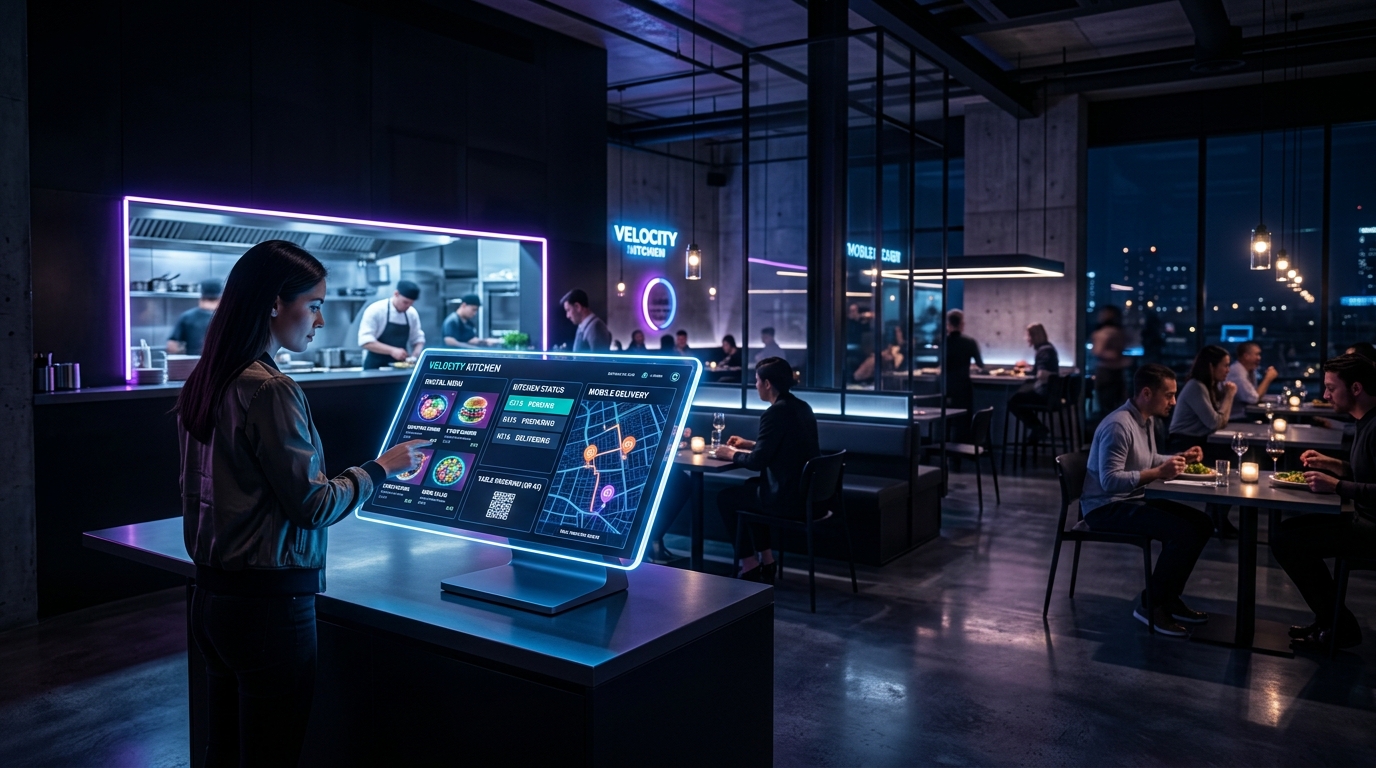
In the modern hospitality and retail sectors, digital convenience has become the primary driver of customer revenue. Over the last decade, third-party delivery platforms and marketplace aggregators like UberEats, Deliveroo, DoorDash, and PickMe promised businesses effortless access to hungry customers and high order volumes.
However, in 2026, the financial reality of these third-party platforms has become clear to business owners across Colombo, London, Melbourne, Sydney, and Dubai: third-party delivery aggregators are slowly bleeding independent food and retail brands dry through excessive commission fees.
In this strategic deep dive, we break down the economics of third-party delivery aggregators versus custom direct-to-consumer ordering systems, and examine why Sri Lankan-owned restaurants, cafes, bakeries, and boutique retail brands are reclaiming their profit margins with their own custom ordering technology.
The True Cost of Aggregator Commissions
At first glance, a 25% to 30% commission per order might seem like an acceptable marketing expense to acquire new diners. But when analyzed against restaurant industry economics, the math tells an alarming story:
- Typical Restaurant Profit Margin: In standard food operations, food cost accounts for 30% to 35%, labor accounts for 30% to 35%, and rent/utilities account for 15% to 20%. The owner is left with an operational net margin of roughly 10% to 15%.
- The Aggregator Cut: When a delivery platform takes a 25% to 32% commission on the top-line gross sale, they are not taking a share of your profit—they are wiping out your entire net margin and often forcing you to fulfill orders at a net loss.
- The Ongoing Margin Drain: Every delivery order processed through third-party apps sends a massive portion of the sale straight into the platform's pockets instead of your restaurant's bottom line.
In Colombo and other Sri Lankan cities, where food input costs and utility tariffs have tightened restaurant margins, giving away 20% to 25% of top-line revenue to delivery aggregators makes long-term profitability nearly impossible.
The Hidden Penalty: Losing Ownership of Your Customers
The financial commission is only half the problem. The more dangerous long-term penalty of third-party platforms is that you do not own your customer relationships:
- No Access to Customer Data: Aggregators strictly conceal customer email addresses, phone numbers, and dining preferences. You have no way to message a customer who ordered three times last month to invite them back.
- Cross-Selling Your Competitors: When a customer opens a delivery app to reorder from your restaurant, the algorithm actively displays competing food spots, discount promotions, and sponsored ads right above your menu.
- Disconnection from Brand Loyalty: The customer believes they are "ordering from UberEats" rather than developing a direct relationship with your culinary brand.
The Solution: The Strategic Dual-Channel Model
Reclaiming your margins does not mean you must delete third-party delivery apps overnight. Instead, savvy restaurant and retail operators adopt the Dual-Channel Strategy:
- Channel 1 (Top-of-Funnel Acquisition): Keep third-party delivery apps active purely as an advertising billboard to attract first-time customers who have never heard of your brand.
- Channel 2 (Direct-to-Consumer Retention): Include an attractive promotional insert with every aggregator order inviting customers to order directly on your official website for exclusive perks or complimentary delivery.
- The Conversion: Once customers order directly through your custom ordering web app, they permanently enter your private ecosystem, allowing you to retain the full sales value on every future order.
Essential Features of a Custom Food & Retail Ordering Platform
A successful direct ordering system cannot just be a generic contact form or basic PDF menu. It must deliver the same seamless speed and polish that consumers expect from modern delivery apps:
1. High-Speed Progressive Web App (PWA)
Requiring a customer to download a heavy app from the App Store just to order dinner creates immense drop-off friction. A Progressive Web App allows customers to click a link from your Instagram bio, Google Maps listing, or WhatsApp and immediately browse your menu and checkout within seconds directly in their mobile browser.
2. Contactless Dine-In Table QR Ordering
For dine-in service, customers scan a sleek QR code placed on their table. The menu opens instantly on their phone with high-definition food photography, spice-level selectors, and add-on options (extra cheese, extra sambol, beverage pairings). Orders route straight to the kitchen, and payments settle immediately, speeding up table turn rates by 25% during peak dinner services.
3. Kitchen Display System (KDS) & Thermal Printing
Orders placed online, through table QR codes, or at the front counter arrive simultaneously on a unified kitchen display monitor and auto-print to kitchen station thermal printers. This eliminates handwriting misinterpretations and ensures kitchen staff prepare food accurately.
4. Real-Time Dynamic Menu Management ("86" Lists)
When popular dishes sell out during a busy shift, staff can mark the item unavailable with a single tap on the manager terminal. The item instantly disappears from the public online menu, preventing customer frustration and refund processing.
5. Multi-Payment Flexibility
- For Overseas Outlets (UK, Australia, UAE, USA): Seamless integration with Apple Pay, Google Pay, and Stripe ensures frictionless one-touch checkouts.
- For Sri Lankan Outlets: Integration with LankaQR, PayHere, Genie, and cash-on-delivery accommodates all domestic customer preferences.
6. Automated Delivery Dispatch & WhatsApp Notifications
Integrate automated dispatch with in-house delivery riders or connect with on-demand courier APIs. Customers receive real-time order updates and live tracking links directly via WhatsApp and SMS, eliminating frantic phone calls asking about delivery progress.
The Power of First-Party Customer Loyalty
When you own your ordering platform, every customer interaction becomes a marketing asset:
- Automated Win-Back Triggers: If a loyal diner hasn't ordered in a few weeks, your system can automatically send a personalized WhatsApp message with a promotional code to bring them back.
- Points-Based Rewards: Customers earn points on every direct order that can be redeemed for exclusive dishes, incentivizing them to order directly rather than opening third-party delivery apps.
- Catering and Bulk Pre-Orders: Corporate offices and families can easily place large advance catering orders for events, holidays, and celebrations without third-party order size caps.
Commission Savings & Long-Term Operational Advantages
By transitioning a portion of your existing order volume away from third-party aggregators and onto your direct ordering channel, your business enjoys immediate benefits:
- Direct Revenue Retention: Keep the 20% to 35% commission margin on every customer transaction that transitions to your direct ordering channel.
- Flexible Infrastructure (AWS or VPS Based on Your Budget): Deploy your custom ordering system on AWS or on cost-efficient Virtual Private Servers (VPS), configured according to your monthly order volume and financial budget.
- Dedicated After-Service & Continuous Maintenance: Introvera handles ongoing system upkeep, menu modifications, software updates, and server monitoring so your team can focus 100% on food quality and hospitality.
- Optional Codebase Buyout: We provide fully managed, hassle-free hosting and support, with full source code repository transfer available as an optional buyout if your company requires it.
Conclusion
In 2026, relying exclusively on third-party aggregators is a recipe for razor-thin margins and customer disconnection. The most profitable food, beverage, and retail brands understand that owning their ordering technology, customer database, and checkout experience is the ultimate competitive advantage.
At Introvera, we design and build bespoke direct ordering platforms, integrated POS systems, and automated customer loyalty engines for restaurants, cafes, and retail brands in Sri Lanka and across the globe. Contact our software engineering team today to reclaim your profit margins and build an independent digital future for your brand.